
Overview
Dubai is a modern city known for its futuristic skyline, large-scale developments, and international atmosphere. The city offers a mix of luxury experiences, cultural sites, and desert landscapes. Its rapid growth and diverse attractions make Dubai a distinctive destination for a short city break.
Dubai works well for trips of 2 to 3 days. Distances between areas are significant, so taxis and public transport are commonly used.
Airports
Dubai is served by one of the world’s busiest international airport systems, handling a vast number of global passenger movements. The city’s airports connect Europe, Asia, Africa, and Oceania, making Dubai a key global transit hub. Air travel plays a major role in Dubai’s tourism and international business sectors.
Dubai International Airport (DXB)
Dubai International Airport is one of the world’s busiest airports for international passengers. It serves as a global hub connecting Europe, Asia, Africa, and Oceania.
Located approximately 5 km from the city center.
Al Maktoum International Airport (DWC)
Al Maktoum International Airport mainly serves cargo operations and a limited number of passenger flights. It is expected to play a larger role in the future.
Located approximately 37 km from the city center.
Getting Around
Dubai is spread out, making public transport and taxis the most practical ways to get around. Modern metro lines and buses connect key districts, while walking is mainly suitable within specific neighbourhoods rather than across the city.
Metro
The metro is one of the fastest and most efficient ways to move around cities. It usually offers frequent service, clear station signage, and good coverage of central areas, making it a practical option for daily travel and sightseeing.
In Dubai, the metro connects key business districts, residential areas, and major attractions.
Bus
Buses provide extensive coverage across most cities, including areas not always served by metro or tram lines. They are a flexible option for short distances and local neighborhoods, though travel times can vary depending on traffic conditions.
Buses in Dubai complement the metro network and serve areas across the city.
Tram
Trams operate mainly in city centers and busy districts, offering a convenient way to travel short to medium distances. They are often well integrated with other public transport options and easy to use for visitors.
The tram system operates mainly in specific districts along the coastline.
Train
Local and regional trains are commonly used to connect city centers with suburbs, nearby towns, or surrounding regions. They are especially useful for longer distances or day trips beyond the main urban area.
Train services in Dubai are limited to metro and urban rail systems.
Taxi
Taxis are widely available and provide a convenient door-to-door travel option. They are commonly found near transport hubs, hotels, and popular tourist areas, and can be useful when traveling with luggage or late at night.
Taxis are widely used in Dubai and are a convenient way to travel short distances.
Car Rental
Renting a car is usually not necessary for getting around the city itself, but it can be a practical choice for travelers planning day trips, visiting rural areas, or exploring destinations outside the main urban zones.
Renting a car in Dubai is a popular option for flexible travel across the city and beyond.
Where to Stay in Dubai
Dubai is a modern city with neighbourhoods designed around business, leisure, and beachfront living. Some areas are ideal for sightseeing and shopping, while others focus on resorts and relaxation. Choosing the right area depends on whether you want to stay close to major attractions, the beach, or transport hubs.
Downtown Dubai
Downtown Dubai is home to major landmarks and shopping areas. It’s ideal for sightseeing and central access, with metro connections nearby.
Dubai Marina
Dubai Marina offers a modern waterfront atmosphere with dining and nightlife. It suits travellers who enjoy a resort-like setting with good transport links.
Jumeirah
Jumeirah is known for its beaches and relaxed vibe. It’s ideal for travellers looking for a quieter stay close to the coast.
Deira
Deira offers a more traditional atmosphere with markets and local life. It’s well connected by metro and suits budget-conscious travellers.
Top Attractions in Dubai
Dubai is known for its bold architecture, modern attractions, and ambitious urban projects. The city’s landmarks reflect rapid transformation alongside traditional elements rooted in its desert and trading heritage. From futuristic structures to historic districts, Dubai’s attractions showcase contrasts between old and new. Visitors can explore how innovation, design, and culture come together in one of the world’s most distinctive cities.

Burj Khalifa
Burj Khalifa is the tallest building in the world and the most iconic landmark in Dubai. Rising above the city skyline, it represents Dubai’s rapid development and ambition in modern architecture.

Palm Jumeirah
Palm Jumeirah is an artificial island shaped like a palm tree and one of Dubai’s most ambitious engineering projects. It is home to resorts, residences, and waterfront attractions.

Jumeirah Mosque
Jumeirah Mosque is one of Dubai’s most important religious landmarks and an example of traditional Islamic architecture. It offers insight into local culture and religious practices.

Dubai Mall
Dubai Mall is one of the largest shopping and entertainment complexes in the world, located at the base of Burj Khalifa. It reflects Dubai’s role as a global destination for retail and leisure.

Dubai Marina
Dubai Marina is a modern waterfront district known for its skyline, promenades, and leisure atmosphere. It highlights Dubai’s contemporary urban lifestyle and coastal setting.

Al Fahidi Historical Neighborhood
Al Fahidi Historical Neighborhood preserves Dubai’s heritage through traditional wind-tower houses and narrow lanes. It offers a glimpse into the city’s life before modern development.
Tours & Experiences in Dubai
Dubai offers a wide variety of tours and experiences that help visitors explore the city beyond its most famous landmarks. From guided walking tours through historic neighborhoods to immersive cultural experiences, there are many ways to discover the character of Dubai. Many travelers choose guided tours in Dubai to gain deeper insight into local history, architecture, and everyday life while visiting the city’s most important sights. In addition to classic sightseeing experiences, visitors can also enjoy food tours, scenic cruises, cultural workshops, and unique local activities that highlight different aspects of the destination. Some experiences focus on well-known attractions, while others explore hidden corners that are often missed by independent travelers. For those with extra time, there are also popular day trips from Dubai that allow visitors to discover nearby landscapes, historic towns, or cultural sites. Because many things to do in Dubai are in high demand during peak travel months, checking availability and booking tours in advance is often recommended.
Best Tours in Dubai


Dubai’s most popular tours, especially desert experiences and major attraction visits, often sell out in peak season. Exploring more options in advance can help you find the experience that best suits your itinerary and travel style.
Food in Dubai
Food in Dubai blends Emirati dishes, Middle Eastern flavours and international dining from around the world. Visitors can try machboos, shawarma, luqaimat, grilled meats and modern food experiences in malls, markets and waterfront areas. Dubai works well for both casual family meals and more upscale dining during a city break.
Kunafa

Sweet cheese pastry soaked in syrup.
Machboos

Spiced rice dish with meat or seafood.
Shawarma

Popular street wrap with meat and garlic sauce.
Visiting Dubai with Kids
Dubai is one of the easiest cities to visit with kids thanks to its modern infrastructure, indoor attractions, family beaches, and large-scale entertainment options. Families can choose between aquariums, theme parks, water parks, outdoor promenades, and simple sightseeing experiences that suit different ages. It also works well in mixed weather because there are so many comfortable indoor venues. For a city break where convenience matters, Dubai is especially family-friendly.
Dubai Aquarium & Underwater Zoo

A very easy central attraction for families, especially when paired with other Dubai Mall activities.
Ideal Age: 3-12
Dubai Miracle Garden
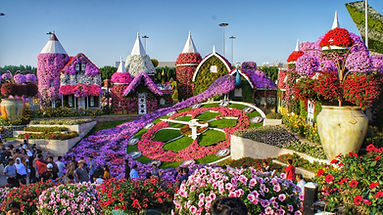
Colorful, open, and visually fun for children, especially in the cooler season when it is open.
Ideal Age: All ages
IMG Worlds of Adventure
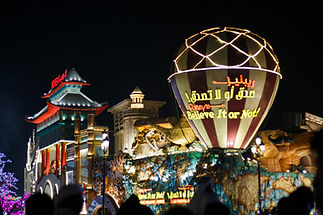
A strong option for families wanting indoor rides and themed entertainment out of the heat.
Ideal Age: 4-14
Kite Beach

A practical family stop for open space, casual food, and a lighter break from indoor attractions.
Ideal Age: All ages
Family Travel Tips:
- Schedule outdoor activities for early morning or evening in warmer months.
- Rely on indoor attractions during midday when the heat is strongest.
- Choose one area at a time, such as Dubai Mall or a beach zone, to avoid tiring transfers.
- Keep water, hats, and sun protection with you for every outdoor stop.
- Use taxis when needed to make family travel easier and more comfortable.
Local Tips for Visiting Dubai
Before visiting Dubai, check practical travel advice, local customs, emergency numbers, and seasonal weather. Dubai is modern and easy to visit, but respectful behaviour, dress expectations, public rules, and summer heat are important to understand before you go.
Visit Dubai official tourism guide
Dubai practical information
UAE emergency help for tourists
Related Blog Posts


Enjoy your every trip
Traveling can be an incredible adventure, but unforeseen events can quickly turn a dream trip into a nightmare. Protect your investment with travel insurance for peace of mind while you explore the world. Whether it's a sudden illness, trip cancellation, or lost luggage, having travel insurance ensures covered when unexpected situations arise Don't leave your travel plans to chance – secure your journey today!