
Overview
Rome is a city where ancient history and everyday life exist side by side. Known for its archaeological sites, historic churches, and vibrant street life, the city offers a unique travel experience shaped by centuries of history. From iconic landmarks to lively neighbourhoods, Rome appeals to travellers interested in culture, architecture, and traditional Italian cuisine.
Rome works well for trips of 3 to 4 days. Many major attractions are located close to each other, while public transport helps cover longer distances across the city.
Airports
Rome is served by two airports that together handle international, European, and domestic flights. These airports connect the Italian capital with destinations worldwide and support large volumes of tourism year-round. Air travel is one of the main ways visitors arrive in Rome for both leisure and business purposes.
Leonardo da Vinci–Fiumicino Airport (FCO)
Leonardo da Vinci–Fiumicino Airport is Rome’s main international airport, handling the majority of long-haul and European flights.
Located approximately 32 km from the city center.
Ciampino Airport (CIA)
Ciampino Airport mainly serves low-cost and charter flights. It is smaller and closer to the city than Fiumicino.
Located approximately 15 km from the city center.
Getting Around
Rome’s historic centre is best explored on foot, while public transport helps cover longer distances across the city. Buses, metro lines, and trams connect key areas, allowing visitors to move between attractions and neighbourhoods with relative ease.
Metro
The metro is one of the fastest and most efficient ways to move around cities. It usually offers frequent service, clear station signage, and good coverage of central areas, making it a practical option for daily travel and sightseeing.
In Rome, the metro connects major transport hubs and key areas of the city.
Bus
Buses provide extensive coverage across most cities, including areas not always served by metro or tram lines. They are a flexible option for short distances and local neighborhoods, though travel times can vary depending on traffic conditions.
Buses in Rome cover large parts of the city, including areas not served by the metro.
Tram
Trams operate mainly in city centers and busy districts, offering a convenient way to travel short to medium distances. They are often well integrated with other public transport options and easy to use for visitors.
Trams operate mainly in specific districts and complement other transport options.
Train
Local and regional trains are commonly used to connect city centers with suburbs, nearby towns, or surrounding regions. They are especially useful for longer distances or day trips beyond the main urban area.
Local trains connect Rome with suburbs and nearby towns.
Taxi
Taxis are widely available and provide a convenient door-to-door travel option. They are commonly found near transport hubs, hotels, and popular tourist areas, and can be useful when traveling with luggage or late at night.
Taxis are widely available in Rome and commonly used by visitors.
Car Rental
Renting a car is usually not necessary for getting around the city itself, but it can be a practical choice for travelers planning day trips, visiting rural areas, or exploring destinations outside the main urban zones.
Renting a car in Rome is best suited for trips beyond the city rather than central travel.
Where to Stay in Rome
Rome’s neighbourhoods blend historic charm with everyday city life. Staying near the historic centre makes it easier to explore major landmarks, while other districts offer quieter streets and better value. Good transport connections allow visitors to balance convenience and atmosphere when choosing where to stay.
Historic Centre
The Historic Centre is ideal for walking to major landmarks. It suits first-time visitors who want to stay close to attractions.
Trastevere
Trastevere offers a local feel with traditional restaurants and nightlife. It’s a good choice for atmosphere and evening walks.
Monti
Monti is centrally located but less crowded. It suits travellers looking for character close to major sights.
Vatican Area
The Vatican area offers quieter streets and metro access. It’s ideal for travellers wanting a calmer stay near cultural landmarks.
Top Attractions in Rome
Rome’s attractions offer a journey through thousands of years of history. Ancient ruins, Renaissance art, and grand architecture are woven into the fabric of the modern city. Many of Rome’s top sights reflect its role as the center of the Roman Empire and later as a cultural and religious capital. Visitors can explore landmarks that illustrate the city’s enduring influence on art, politics, and architecture.

Colosseum
The Colosseum is one of Rome’s most iconic ancient monuments, built as a vast amphitheater during the Roman Empire. It hosted public spectacles and remains a powerful symbol of the city’s historical and architectural legacy.

Pantheon
The Pantheon is a remarkably preserved ancient temple in Rome, famous for its massive dome and central oculus. Originally built to honor Roman gods, it showcases the city’s engineering mastery.

Trevi Fountain
The Trevi Fountain is one of Rome’s most famous Baroque landmarks, known for its elaborate sculptures and tradition of coin tossing. It remains a central gathering point in the historic city center.

Roman Forum
The Roman Forum was the political, social, and commercial center of ancient Rome. Surrounded by ruins of temples and public buildings, it offers insight into daily life during the height of the Roman Empire.

Vatican Museums
The Vatican Museums house one of the world’s most important art collections, including works from classical antiquity to the Renaissance. They reflect centuries of artistic patronage and cultural influence in Rome.
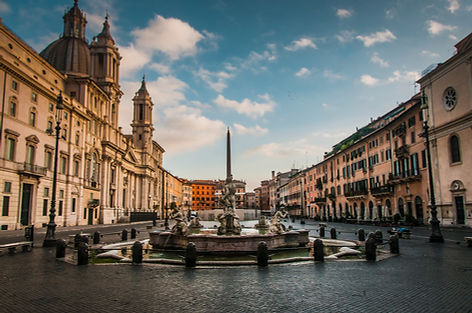
Piazza Navona
Piazza Navona is a historic square in Rome built on the site of an ancient stadium. Surrounded by Baroque architecture, it reflects the city’s layered urban history and lively public spaces.
Tours & Experiences in Rome
Rome offers a wide variety of tours and experiences that help visitors explore the city beyond its most famous landmarks. From guided walking tours through historic neighborhoods to immersive cultural experiences, there are many ways to discover the character of Rome. Many travelers choose guided tours in Rome to gain deeper insight into local history, architecture, and everyday life while visiting the city’s most important sights. In addition to classic sightseeing experiences, visitors can also enjoy food tours, scenic cruises, cultural workshops, and unique local activities that highlight different aspects of the destination. Some experiences focus on well-known attractions, while others explore hidden corners that are often missed by independent travelers. For those with extra time, there are also popular day trips from Rome that allow visitors to discover nearby landscapes, historic towns, or cultural sites. Because many things to do in Rome are in high demand during peak travel months, checking availability and booking tours in advance is often recommended.
Best Tours in Rome


Rome’s most popular tours, especially those focused on major ancient sites, often sell out during busy travel seasons. Exploring more options in advance can help you choose the experience that best fits your itinerary and interests.
Food in Rome
Food in Rome is simple, comforting and deeply connected to local tradition. First-time visitors can try carbonara, supplì, Roman pizza, pasta dishes, gelato and classic desserts such as tiramisu. The city is perfect for combining historic sightseeing with casual trattorias, bakeries and neighbourhood food stops.
Tiramisu

Coffee-flavored layered dessert.
Supplì

Fried rice balls with mozzarella.
Carbonara
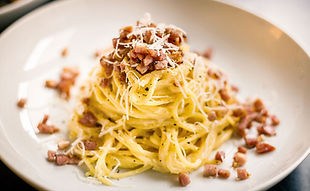
Pasta with eggs, cheese, and pancetta.
Visiting Rome with Kids
Rome can be very rewarding for families if you mix iconic sights with enough gelato stops, open spaces, and shorter visits. Older kids often respond well to gladiator stories, ruins, and fountains, while younger children usually do best with piazzas, parks, and fun transport moments between major landmarks. The city can be busy, but there is enough variety to make it work across age groups. With realistic pacing, Rome can be a memorable and family-friendly city break.
Bioparco di Roma

A good family option when you want animals, shade, and a slower pace than the historic center.
Ideal Age: 3-12
Villa Borghese

Great for playgrounds, bike rentals, open space, and balancing out more history-heavy sightseeing.
Ideal Age: All ages
Explora Children’s Museum

Designed for hands-on play and learning, making it especially useful for younger children.
Ideal Age: 2-10
Colosseum with a Short Kid-Focused Visit

Older children often enjoy the stories and scale, especially if the visit is kept concise.
Ideal Age: 6-14
Family Travel Tips:
- Do not plan too many monuments back to back with children.
- Alternate major sights with piazzas, parks, or easy gelato breaks.
- Use shorter visits at big landmarks so kids stay engaged instead of overtired.
- Start outdoor sightseeing earlier in warmer months to avoid stronger afternoon heat.
- Keep one relaxed green space like Villa Borghese in the itinerary.
Local Tips for Visiting Rome
Before visiting Rome, check official visitor information, public holidays, and emergency numbers. Rome is busy and historic, so it helps to know about holiday closures, local city services, and basic safety advice before your trip.
Turismo Roma official site
Italy emergency number 112
Related Blog Posts


Enjoy your every trip
Traveling can be an incredible adventure, but unforeseen events can quickly turn a dream trip into a nightmare. Protect your investment with travel insurance for peace of mind while you explore the world. Whether it's a sudden illness, trip cancellation, or lost luggage, having travel insurance ensures covered when unexpected situations arise Don't leave your travel plans to chance – secure your journey today!