
Overview
Paris is one of Europe’s most iconic cities, known for its historic landmarks, elegant architecture, and rich cultural heritage. From world-renowned museums to charming neighbourhoods and café-lined streets, the city offers a wide variety of experiences. Its timeless appeal, combined with art, food, and fashion, makes Paris a classic choice for a city break at any time of year.
Paris is best explored over 3 to 4 days, allowing time for major sights as well as quieter neighbourhoods. The city’s extensive metro network makes it easy to move between attractions without a car.
Airports
Paris is served by several international airports that together handle a high volume of global and regional air traffic. These airports connect the French capital with destinations worldwide and support both tourism and business travel. Air travel is one of the primary ways visitors arrive in Paris from abroad.
Charles de Gaulle Airport (CDG)
Charles de Gaulle Airport is France’s largest airport and the main international gateway to Paris.
Located approximately 25 km from the city center.
Orly Airport (ORY)
Orly Airport serves mainly domestic and European flights and is Paris’s second-largest airport.
Located approximately 13 km from the city center.
Beauvais–Tillé Airport (BVA)
Beauvais Airport is mainly used by low-cost airlines and is located farther from Paris.
Located approximately 85 km from the city center.
Getting Around
Paris is well suited for getting around on foot, especially in central districts. The city also has an extensive public transport system that connects all neighbourhoods efficiently, making it easy to reach major attractions, museums, and residential areas without relying on a car.
Metro
The metro is one of the fastest and most efficient ways to move around cities. It usually offers frequent service, clear station signage, and good coverage of central areas, making it a practical option for daily travel and sightseeing.
In Paris, the metro provides dense coverage across the city and nearby districts.
Bus
Buses provide extensive coverage across most cities, including areas not always served by metro or tram lines. They are a flexible option for short distances and local neighborhoods, though travel times can vary depending on traffic conditions.
Buses in Paris complement the metro and serve areas across the city.
Tram
Trams operate mainly in city centers and busy districts, offering a convenient way to travel short to medium distances. They are often well integrated with other public transport options and easy to use for visitors.
Trams operate mainly along the outer edges of Paris and nearby suburbs.
Train
Local and regional trains are commonly used to connect city centers with suburbs, nearby towns, or surrounding regions. They are especially useful for longer distances or day trips beyond the main urban area.
Train services connect Paris with suburbs and regional destinations.
Taxi
Taxis are widely available and provide a convenient door-to-door travel option. They are commonly found near transport hubs, hotels, and popular tourist areas, and can be useful when traveling with luggage or late at night.
Taxis are widely available in Paris and are commonly used for city travel.
Car Rental
Renting a car is usually not necessary for getting around the city itself, but it can be a practical choice for travelers planning day trips, visiting rural areas, or exploring destinations outside the main urban zones.
Renting a car in Paris is best suited for trips beyond the city center.
Where to Stay in Paris
Paris is divided into districts with distinct personalities, from historic quarters to lively modern areas. Staying centrally allows easy access to major sights, while other neighbourhoods offer a quieter local experience. Choosing the right area depends on your travel style, with public transport connecting the entire city efficiently.
Le Marais
Le Marais offers historic streets and a lively dining scene. It’s ideal for sightseeing and cultural exploration.
Saint-Germain-des-Prés
Saint-Germain-des-Prés suits travellers who enjoy cafés and culture. It’s centrally located and well connected.
Latin Quarter
The Latin Quarter has a youthful atmosphere near universities and landmarks. It’s ideal for walking and sightseeing.
Montmartre
Montmartre offers character and city views. It suits travellers seeking charm slightly away from the busiest areas.
Opéra
Opéra offers central access to shopping and transport hubs. It’s ideal for travellers prioritising convenience.
Top Attractions in Paris
Paris is known for its iconic landmarks, artistic heritage, and historic neighborhoods. The city’s attractions reflect centuries of influence in art, fashion, and culture. From monumental architecture to scenic streets and public spaces, Paris offers a rich sightseeing experience. Many of the city’s top attractions highlight its role as a cultural capital and its lasting impact on European history.

Eiffel Tower
The Eiffel Tower is the most iconic landmark in Paris and a symbol of France worldwide. Built for the 1889 World’s Fair, it defines the city skyline and represents Parisian engineering and cultural identity.
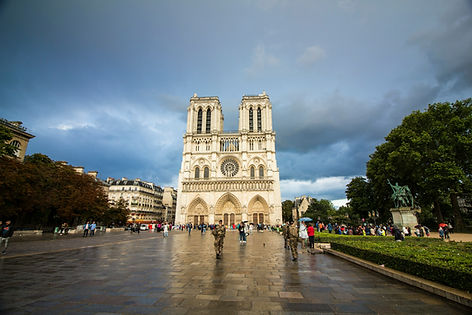
Notre-Dame Cathedral
Notre-Dame Cathedral is a masterpiece of Gothic architecture and one of Paris’s most historic monuments. Situated on the Île de la Cité, it has played a central role in the city’s religious life for centuries.

Champs-Élysées
The Champs-Élysées is one of the most famous avenues in the world, stretching from Place de la Concorde to the Arc de Triomphe. It represents Paris’s role as a global center of culture and elegance.

Louvre Museum
The Louvre Museum is the world’s largest art museum, housing masterpieces from ancient civilizations to modern times. Located in a former royal palace, it is a cornerstone of Paris’s cultural heritage.

Montmartre
Montmartre is a historic hilltop district in Paris, known for its artistic heritage, narrow streets, and panoramic city views. It reflects the bohemian spirit that shaped Parisian culture.

Arc de Triomphe
The Arc de Triomphe stands at the center of Place Charles de Gaulle and honors those who fought for France. From its terrace, visitors can view the city’s grand avenues radiating outward.
Tours & Experiences in Paris
Paris offers a wide variety of tours and experiences that help visitors explore the city beyond its most famous landmarks. From guided walking tours through historic neighborhoods to immersive cultural experiences, there are many ways to discover the character of Paris. Many travelers choose guided tours in Paris to gain deeper insight into local history, architecture, and everyday life while visiting the city’s most important sights. In addition to classic sightseeing experiences, visitors can also enjoy food tours, scenic cruises, cultural workshops, and unique local activities that highlight different aspects of the destination. Some experiences focus on well-known attractions, while others explore hidden corners that are often missed by independent travelers. For those with extra time, there are also popular day trips from Paris that allow visitors to discover nearby landscapes, historic towns, or cultural sites. Because many things to do in Paris are in high demand during peak travel months, checking availability and booking tours in advance is often recommended.
Best Tours in Paris


Popular tours in Paris, especially landmark visits and day trips, often book out quickly in peak season. Exploring more experiences in advance can help you choose the option that best matches your itinerary and travel style.
Food in Paris
Food in Paris is one of the highlights of a city break, from classic bakeries and cafés to traditional French dishes and elegant desserts. First-time visitors can try croissants, crêpes, cheese, pastries, bistro meals and local market food. Exploring food in Paris works well between sightseeing stops, especially in neighbourhoods such as Le Marais, Saint-Germain-des-Prés and Montmartre.
Crêpes

Thin pancakes with sweet or savory fillings.
Escargots

Snails cooked in garlic butter.
Croissant

Buttery flaky pastry best fresh in the morning.
Visiting Paris with Kids
Paris can work surprisingly well for families, especially if you balance big landmarks with parks, river cruises, and interactive museums. Kids usually enjoy the carousel gardens, boat rides on the Seine, and hands-on spots like the Cité des Sciences. There are also plenty of open spaces for breaks between sightseeing, which makes planning easier with younger children. If you keep your itinerary flexible and avoid overpacking each day, Paris can be a very rewarding city break for both parents and kids.
Jardin d’Acclimatation

This family-focused park mixes gentle rides, playgrounds, gardens, and small attractions, making it one of the easiest places in Paris for a full kid-friendly afternoon.
Ideal Age: 3-12
Seine River Cruise

A simple way to see major landmarks without long walks, and the moving views usually keep younger travelers interested for the full ride.
Ideal Age: All ages
Cité des Sciences et de l’Industrie

A strong rainy-day option with interactive exhibits designed to keep children engaged through science, discovery zones, and hands-on learning.
Ideal Age: 5-14
Jardin du Luxembourg

Great for downtime between attractions, with playgrounds, pony rides, open space, and the classic pond where children watch toy sailboats.
Ideal Age: 2-10
Family Travel Tips:
- Plan one major attraction and one relaxed outdoor stop each day.
- Add playground or garden breaks between museums and bigger landmarks.
- Use short metro rides or river cruises to reduce walking fatigue.
- Keep snack stops built into the day because Paris sightseeing can feel longer with kids.
- Visit popular outdoor sights earlier for a calmer experience.
Local Tips for Visiting Paris
Before visiting Paris, check official visitor information, emergency numbers, public holidays, and local updates. Paris is easy to enjoy with a little preparation, especially around holiday closures, busy tourist areas, and basic safety advice.
Paris je t’aime official visitor site
Paris practical information and emergency numbers
France public holidays
Related Blog Posts


Enjoy your every trip
Traveling can be an incredible adventure, but unforeseen events can quickly turn a dream trip into a nightmare. Protect your investment with travel insurance for peace of mind while you explore the world. Whether it's a sudden illness, trip cancellation, or lost luggage, having travel insurance ensures covered when unexpected situations arise Don't leave your travel plans to chance – secure your journey today!