
Overview
Bangkok is a vibrant capital known for its temples, markets, and energetic street life. The city combines historic sites with modern shopping areas and a strong food culture. Its contrasts and lively atmosphere make Bangkok a popular destination for travellers looking for culture, nightlife, and local experiences.
Bangkok is best explored over 3 to 4 days. Public transport helps avoid traffic, while boats and walking are useful for certain areas.
Airports
Bangkok is served by two major airports that together handle international, regional, and domestic flights. These airports connect Thailand’s capital with destinations across Asia, Europe, and beyond. Air travel is a primary entry point for visitors to Bangkok, supporting both tourism and business travel throughout the region.
Suvarnabhumi Airport (BKK)
Suvarnabhumi Airport is Bangkok’s main international airport, handling long-haul and regional flights. It serves as a major gateway to Thailand and Southeast Asia.
Located approximately 30 km from the city center.
Don Mueang International Airport (DMK)
Don Mueang International Airport mainly serves low-cost carriers and domestic flights. It is one of the oldest airports in Asia still in operation.
Located approximately 24 km from the city center.
Getting Around
Bangkok’s size and traffic make public transport an important part of getting around. Trains, metro lines, and boats offer efficient ways to move between areas, while walking works best for exploring local neighbourhoods and markets.
Metro
The metro is one of the fastest and most efficient ways to move around cities. It usually offers frequent service, clear station signage, and good coverage of central areas, making it a practical option for daily travel and sightseeing.
In Bangkok, the metro connects key commercial areas and supports fast urban travel.
Bus
Buses provide extensive coverage across most cities, including areas not always served by metro or tram lines. They are a flexible option for short distances and local neighborhoods, though travel times can vary depending on traffic conditions.
Buses operate extensively in Bangkok, covering a wide range of districts.
Tram
Trams operate mainly in city centers and busy districts, offering a convenient way to travel short to medium distances. They are often well integrated with other public transport options and easy to use for visitors.
There is no tram system currently operating in Bangkok.
Train
Local and regional trains are commonly used to connect city centers with suburbs, nearby towns, or surrounding regions. They are especially useful for longer distances or day trips beyond the main urban area.
Train services in Bangkok connect the city with suburbs and regional destinations.
Taxi
Taxis are widely available and provide a convenient door-to-door travel option. They are commonly found near transport hubs, hotels, and popular tourist areas, and can be useful when traveling with luggage or late at night.
Taxis are widely used in Bangkok and are available throughout the city.
Car Rental
Renting a car is usually not necessary for getting around the city itself, but it can be a practical choice for travelers planning day trips, visiting rural areas, or exploring destinations outside the main urban zones.
Renting a car in Bangkok can be useful for travel outside the central areas.
Where to Stay in Bangkok
Bangkok is a vibrant city with neighbourhoods that cater to different travel styles. Some areas are ideal for sightseeing and nightlife, while others offer a calmer atmosphere near the river or residential districts. Choosing the right area depends on your interests, with public transport helping you move easily around the city.
Sukhumvit
Sukhumvit is a lively area known for shopping, dining, and nightlife. It’s well connected by BTS Skytrain and suits many travel styles.
Riverside
The Riverside area offers a calmer stay with scenic views. Boat transport provides easy access to key attractions.
Silom
Silom offers central access with business districts by day and nightlife by night. It’s well connected by BTS and MRT.
Siam
Siam is ideal for shopping and central sightseeing. It’s one of the city’s main transport hubs.
Old City
The Old City is close to historic temples and cultural landmarks. It suits travellers focused on sightseeing and traditional Bangkok experiences.
Top Attractions in Bangkok
Bangkok’s attractions offer a vibrant mix of tradition and modern city life. Historic temples, royal landmarks, and riverside areas contrast with busy streets and contemporary developments. The city’s top attractions reflect Thailand’s cultural heritage and everyday rhythms. Visitors exploring Bangkok can experience both spiritual landmarks and lively urban spaces that define the city’s unique atmosphere.
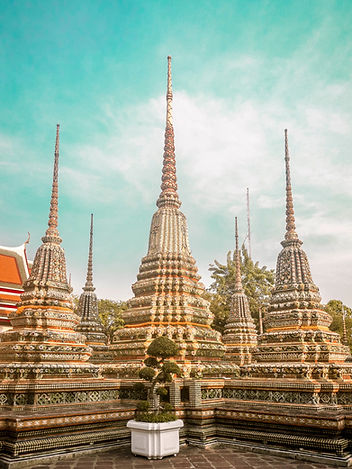
Grand Palace
The Grand Palace is one of the most important landmarks in Bangkok and a symbol of Thailand’s royal history. The complex features ornate architecture and has played a central role in ceremonial and political life.

Wat Arun
Wat Arun, or the Temple of Dawn, stands on the banks of the Chao Phraya River and is one of Bangkok’s most recognizable temples. Its distinctive spires reflect traditional Thai design.

Chao Phraya River
The Chao Phraya River flows through the heart of Bangkok and has shaped the city’s development for centuries. It remains a key transportation route and scenic feature of the city.

Wat Phra Kaew
Wat Phra Kaew, also known as the Temple of the Emerald Buddha, is Thailand’s most sacred Buddhist temple. Located within the Grand Palace grounds, it holds deep religious and cultural significance.

Chatuchak Weekend Market
Chatuchak Weekend Market is one of the largest markets in the world, offering thousands of stalls selling food, clothing, and local goods. It reflects Bangkok’s vibrant street culture.
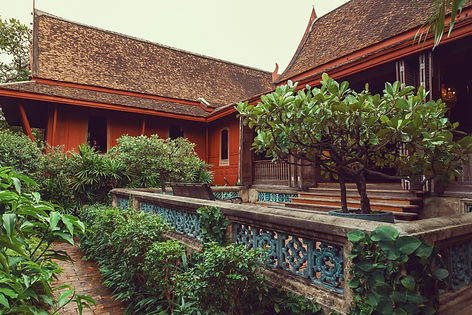
Jim Thompson House
The Jim Thompson House is a museum in Bangkok showcasing traditional Thai architecture and art. It offers insight into Thai culture and the life of an influential figure in the country’s modern history.
Tours & Experiences in Bangkok
Bangkok offers a wide variety of tours and experiences that help visitors explore the city beyond its most famous landmarks. From guided walking tours through historic neighborhoods to immersive cultural experiences, there are many ways to discover the character of Bangkok. Many travelers choose guided tours in Bangkok to gain deeper insight into local history, architecture, and everyday life while visiting the city’s most important sights. In addition to classic sightseeing experiences, visitors can also enjoy food tours, scenic cruises, cultural workshops, and unique local activities that highlight different aspects of the destination. Some experiences focus on well-known attractions, while others explore hidden corners that are often missed by independent travelers. For those with extra time, there are also popular day trips from Bangkok that allow visitors to discover nearby landscapes, historic towns, or cultural sites. Because many things to do in Bangkok are in high demand during peak travel months, checking availability and booking tours in advance is often recommended.
Best Tours in Bangkok


Bangkok’s most popular tours, food experiences, and day trips are often in high demand throughout the year. Browsing more options in advance can help you find the experience that best matches your schedule and travel style.
Food in Bangkok
Food in Bangkok is one of the main reasons many travellers visit the city. Street food, night markets and casual restaurants offer dishes such as pad Thai, tom yum soup, mango sticky rice, curries and grilled snacks. Bangkok is ideal for visitors who want bold flavours, affordable meals and a lively local food scene.
Mango Sticky Rice

Sweet dessert with coconut milk.
Tom Yum Soup

Spicy and sour soup with herbs.
Pad Thai
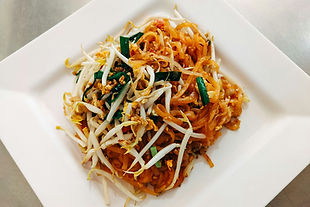
Stir-fried noodles with shrimp, peanuts, and lime.
Visiting Bangkok with Kids
Bangkok is a lively but family-friendly city if you plan around shorter outings, indoor attractions, and easy transport. Kids often enjoy boat rides, aquariums, interactive museums, and large malls with entertainment options, while parents appreciate how much variety the city offers in a short time. The pace can feel intense, but there are plenty of ways to make the experience smoother for families. With a flexible schedule, Bangkok can be a fun city break with children.
SEA LIFE Bangkok Ocean World

A central and reliable family attraction with marine exhibits that work well in any weather.
Ideal Age: 3-12
Chao Phraya River Boat Ride

Turns transport into an experience and helps families see the city with less walking.
Ideal Age: All ages
Safari World Bangkok

A good option for animal-loving kids who want a more full-day outing beyond the city center.
Ideal Age: 4-12
Children’s Discovery Museum

A practical hands-on stop for younger children when you want something interactive and low-pressure.
Ideal Age: 3-10
Family Travel Tips:
- Avoid the hottest part of the day for outdoor sightseeing and use indoor attractions instead.
- Use river boats or short transport hops to reduce tiring walks.
- Keep family plans flexible because traffic and weather can affect timing quickly.
- Choose malls or aquariums as easy backup options for rain or fatigue.
- Carry water and schedule regular cool-down breaks throughout the day.
Local Tips for Visiting Bangkok
Before visiting Bangkok, check official travel information, emergency numbers, local customs, and seasonal weather. Respectful behaviour around temples, awareness of public holidays, and knowing key emergency contacts can make your visit easier and safer.
Tourism Authority of Thailand official site
Thailand emergency numbers
Thailand public holiday updates
Related Blog Posts


Enjoy your every trip
Traveling can be an incredible adventure, but unforeseen events can quickly turn a dream trip into a nightmare. Protect your investment with travel insurance for peace of mind while you explore the world. Whether it's a sudden illness, trip cancellation, or lost luggage, having travel insurance ensures covered when unexpected situations arise Don't leave your travel plans to chance – secure your journey today!