
Overview
Hong Kong is a dense and energetic city known for its skyline, harbour views, and blend of Eastern and Western influences. The city offers a mix of urban life, cultural sites, and nearby nature. Its efficiency and variety make Hong Kong a compelling destination for a short but intense city break.
Hong Kong is ideal for a 2 to 3 day visit. Public transport is fast and reliable, making it easy to explore different areas of the city.
Airports
Hong Kong is served by a major international airport that ranks among the world’s leading aviation hubs. The airport offers extensive global connections and plays a key role in international trade and tourism. Its modern infrastructure supports high passenger volumes and efficient transfers between long-haul and regional flights.
Hong Kong International Airport (HKG)
Hong Kong International Airport is a major global aviation hub built on reclaimed land. It offers extensive international connections and consistently ranks among the world’s busiest airports.
Located approximately 34 km from the city center.
Getting Around
Hong Kong has one of the most efficient public transport systems in the world. Trains, trams, buses, and ferries provide fast connections across the city, while walking is convenient in many urban areas and waterfront districts.
Metro
The metro is one of the fastest and most efficient ways to move around cities. It usually offers frequent service, clear station signage, and good coverage of central areas, making it a practical option for daily travel and sightseeing.
In Hong Kong, the metro is one of the most widely used and efficient transport options.
Bus
Buses provide extensive coverage across most cities, including areas not always served by metro or tram lines. They are a flexible option for short distances and local neighborhoods, though travel times can vary depending on traffic conditions.
Buses in Hong Kong serve both urban areas and outlying districts.
Tram
Trams operate mainly in city centers and busy districts, offering a convenient way to travel short to medium distances. They are often well integrated with other public transport options and easy to use for visitors.
Trams operate mainly on Hong Kong Island and are used for short-distance travel.
Train
Local and regional trains are commonly used to connect city centers with suburbs, nearby towns, or surrounding regions. They are especially useful for longer distances or day trips beyond the main urban area.
Train services connect Hong Kong with surrounding regions and border areas.
Taxi
Taxis are widely available and provide a convenient door-to-door travel option. They are commonly found near transport hubs, hotels, and popular tourist areas, and can be useful when traveling with luggage or late at night.
Taxis are readily available in Hong Kong and operate across different zones.
Car Rental
Renting a car is usually not necessary for getting around the city itself, but it can be a practical choice for travelers planning day trips, visiting rural areas, or exploring destinations outside the main urban zones.
Renting a car in Hong Kong is generally less practical due to dense urban traffic.
Where to Stay in Hong Kong
Hong Kong offers a variety of neighbourhoods spread across its islands and mainland areas. Central districts are convenient for business and sightseeing, while other areas provide a more local experience. Excellent transport connections allow visitors to stay in different neighbourhoods without sacrificing accessibility.
Central
Central is Hong Kong’s main business and transport hub. It’s ideal for sightseeing and offers excellent connections across the city.
Tsim Sha Tsui
Tsim Sha Tsui is popular for shopping, harbour views, and attractions. It suits travellers who want strong transport access and a lively atmosphere.
Sheung Wan
Sheung Wan offers a more local vibe with cafés and markets. It’s well connected by metro and close to central areas.
Top Attractions in Hong Kong
Hong Kong’s attractions are shaped by dramatic cityscapes, natural landscapes, and cultural diversity. The city combines towering skylines with traditional temples, markets, and coastal views. Many of Hong Kong’s top sights reflect its role as an international gateway and meeting point of Eastern and Western influences. Visitors can explore a dynamic mix of urban energy and scenic surroundings within a compact area.

Victoria Peak
Victoria Peak is the highest point on Hong Kong Island and offers panoramic views of the city skyline and harbor. It is one of the most popular viewpoints and a defining feature of Hong Kong’s urban landscape.
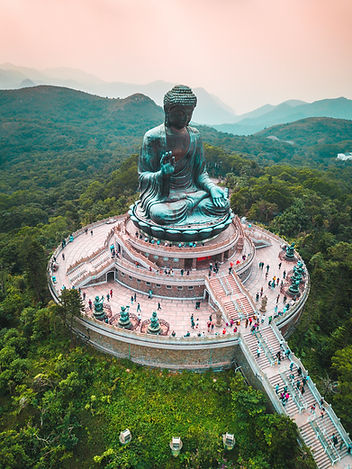
Tian Tan Buddha
The Tian Tan Buddha, also known as the Big Buddha, is a large bronze statue located on Lantau Island. It represents Buddhist tradition and is one of Hong Kong’s most recognizable cultural landmarks.

Temple Street Night Market
Temple Street Night Market is a lively street market in Kowloon known for food stalls, shops, and local atmosphere. It reflects Hong Kong’s street culture and evening life.

Victoria Harbour
Victoria Harbour separates Hong Kong Island from Kowloon and is central to the city’s identity. The harbor is known for its skyline views and reflects Hong Kong’s role as a major global port.

Star Ferry
The Star Ferry is a historic passenger ferry service connecting Hong Kong Island and Kowloon. It offers scenic views of the harbor and has been part of daily life in Hong Kong for over a century.

Ngong Ping 360
Ngong Ping 360 is a cable car experience on Lantau Island offering views of mountains, sea, and the airport. It provides access to cultural sites and highlights Hong Kong’s natural scenery.
Tours & Experiences in Hong Kong
Hong Kong offers a wide variety of tours and experiences that help visitors explore the city beyond its most famous landmarks. From guided walking tours through historic neighborhoods to immersive cultural experiences, there are many ways to discover the character of Hong Kong. Many travelers choose guided tours in Hong Kong to gain deeper insight into local history, architecture, and everyday life while visiting the city’s most important sights. In addition to classic sightseeing experiences, visitors can also enjoy food tours, scenic cruises, cultural workshops, and unique local activities that highlight different aspects of the destination. Some experiences focus on well-known attractions, while others explore hidden corners that are often missed by independent travelers. For those with extra time, there are also popular day trips from Hong Kong that allow visitors to discover nearby landscapes, historic towns, or cultural sites. Because many things to do in Hong Kong are in high demand during peak travel months, checking availability and booking tours in advance is often recommended.
Best Tours in Hong Kong


Many of the most popular tours in Hong Kong can fill up quickly, especially during holidays and high-demand travel periods. Checking more experiences in advance can help you choose the option that best suits your itinerary.
Food in Hong Kong
Food in Hong Kong is fast, varied and full of local character. Visitors can try dim sum, roast goose, wonton noodles, egg tarts, street snacks and international dishes across busy neighbourhoods. From traditional tea houses to casual local eateries, food is one of the easiest ways to experience the city.
Egg Tart

Sweet pastry with creamy custard filling.
Roast Goose

Crispy-skinned roasted meat dish.
Dim Sum

Small steamed or fried dishes served in baskets.
Visiting Hong Kong with Kids
Hong Kong is a dynamic city for families, with ferries, trams, skyline views, theme parks, and easy transport that can feel exciting for children. While it is fast-paced, there are many attractions that work well for both younger kids and teens, including interactive museums, waterfront areas, and major family entertainment parks. The city’s compact layout also helps families fit a lot into a short trip. With a smart mix of indoor and outdoor plans, Hong Kong can be a memorable city break with kids.
Hong Kong Disneyland

An easy full-day family pick with classic rides, shows, and themed lands that work especially well for younger children.
Ideal Age: 3-12
Star Ferry Ride

Short, affordable, and scenic, this is one of the simplest ways to turn transport into a fun activity for kids.
Ideal Age: All ages
Ocean Park

Combines rides, aquariums, and animal encounters, giving families both entertainment and marine-life experiences in one place.
Ideal Age: 4-14
Hong Kong Science Museum

Good for hands-on exhibits and interactive displays, especially when you need a practical indoor plan.
Ideal Age: 5-14
Family Travel Tips:
- Keep indoor options ready because heat, humidity, or rain can change plans quickly.
- Use ferries, trams, and the MTR to make transport part of the fun.
- Balance busier city areas with parks, promenades, or theme park time.
- Avoid trying to cover too many districts in a single day.
- Plan regular rest and food breaks because the pace can feel intense for children.
Local Tips for Visiting Hong Kong
Before visiting Hong Kong, check official visitor information, public holidays, weather alerts, and practical government updates. The city is efficient and visitor-friendly, but typhoon warnings, holiday crowds, and local regulations can affect your plans.
Hong Kong Tourism Board
GovHK useful travel information
Hong Kong general holidays
Related Blog Posts


Enjoy your every trip
Traveling can be an incredible adventure, but unforeseen events can quickly turn a dream trip into a nightmare. Protect your investment with travel insurance for peace of mind while you explore the world. Whether it's a sudden illness, trip cancellation, or lost luggage, having travel insurance ensures covered when unexpected situations arise Don't leave your travel plans to chance – secure your journey today!